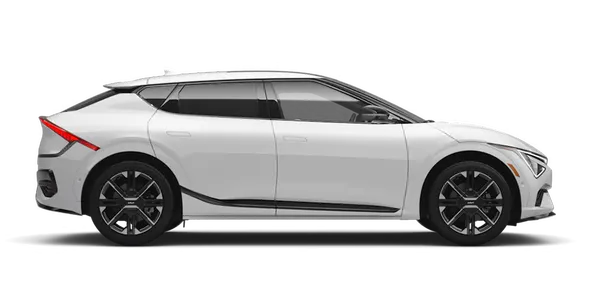
Kia K4: Seats / Rear seat adjustment
Contents:
Folding the rear seat:
The rear seatbacks in your Kia K4 can be easily folded down, significantly expanding your luggage capacity and allowing for the transport of longer items that would otherwise not fit within the standard trunk space.
WARNING
Folded Seatback Safety
The rear seat folding feature of your Kia K4 is designed exclusively for cargo versatility. It is not intended for occupant use in the folded position.
-
Never allow any passenger to ride on top of the folded-down seatback while the Kia K4 is in motion. This is not a designated seating area, and it lacks the critical crash-protection structures and active seat belt systems required for occupant safety.
-
To prevent injuries from shifting loads, ensure that any items carried on the folded seatback do not extend higher than the top of the front seatbacks. This prevents cargo from sliding forward into the passenger cabin during sudden stops.
-
For 5-Door (Hatchback) models: When folding or unfolding the seat, always ensure the seat belt webbing is properly secured in the metal tab zone to prevent damage or entanglement.
- Adjust the front seatback to a neutral, upright position and slide the front seat forward if additional clearance is required for the rear seatback to fold flat.
- Lower the rear headrests to their lowest possible position.
WARNING
Cargo Height Restrictions
Any items placed on the folded rear seat of your Kia K4 must not exceed the height of the front seatbacks. Cargo that sits higher than this level poses a significant risk of sliding forward into the passenger area during emergency braking or a collision, potentially causing serious injury.
- Pull the seatback lock release lever (1), then gently fold the rear seat toward the front of the vehicle.
Figure 1. 4-door sedan configuration 
Figure 2. 5-door hatchback configuration 
-
To return the seat to its original position, lift and pull the seatback backward until you hear a definitive "click," confirming the lock release lever (1) has engaged.
Always verify the seatback is fully locked by attempting to move it; it should remain securely in the upright position.
- Return the rear seat belt to its proper position and verify that it is not twisted or trapped behind the seatback.


Other information:
Kia K4 (CL4) 2025-2026 Owner's Manual: Alternator On Vehicle Inspection
On Vehicle Inspection Electrical Specified Value Inspection (Using the Voltmeter and Ammeter) 1. Voltage drop test of alternator output wire This test is to check the wiring condition between the alternator B terminal and the battery ( + ) terminal by using the voltage drop of the wiring.Kia K4 (CL4) 2025-2026 Owner's Manual: Driver assistance guide
WARNING Driver responsibility As the driver of the Kia K4, you must never rely solely on the Driver Assistance Systems. These sophisticated technologies are designed to support you, but they are not a substitute for active driver engagement, constant vigilance, and safe driving practices. These systems operate on the premise that the operator maintains full control of the vehicle, and they are intended to mitigate collision impact or provide assistance under normal driving conditions.